
Why do film cameras still hold a prominent place and are not replaced by digital cameras in this age of technology? Let’s explore the history of film photography and film cameras in this article and find the answer together.
Introduction
Why not imagine a scenario where film cameras have died along with their glory and greatness in capturing humanity’s images? It’s understandable that for a time, film was forgotten, like many other technological goods. Digital cameras rose to dominance with automatic focusing technology, limited photo storage on memory cards, quick operation, and countless lenses with exceptional quality. However, the charm of film photography has endured just as long as the film cameras themselves. Indeed, even though the golden age of film photography has long passed, it has never truly ended.
The History of Film Cameras
1. The First Large-Format Single-Lens Reflex Camera
The first single-lens reflex camera was surprisingly invented in 1861 by British photographer and inventor Thomas Sutton. But don’t confuse this with the SLR cameras we know today. The 19th-century SLR cameras were massive, heavy, and oversized.
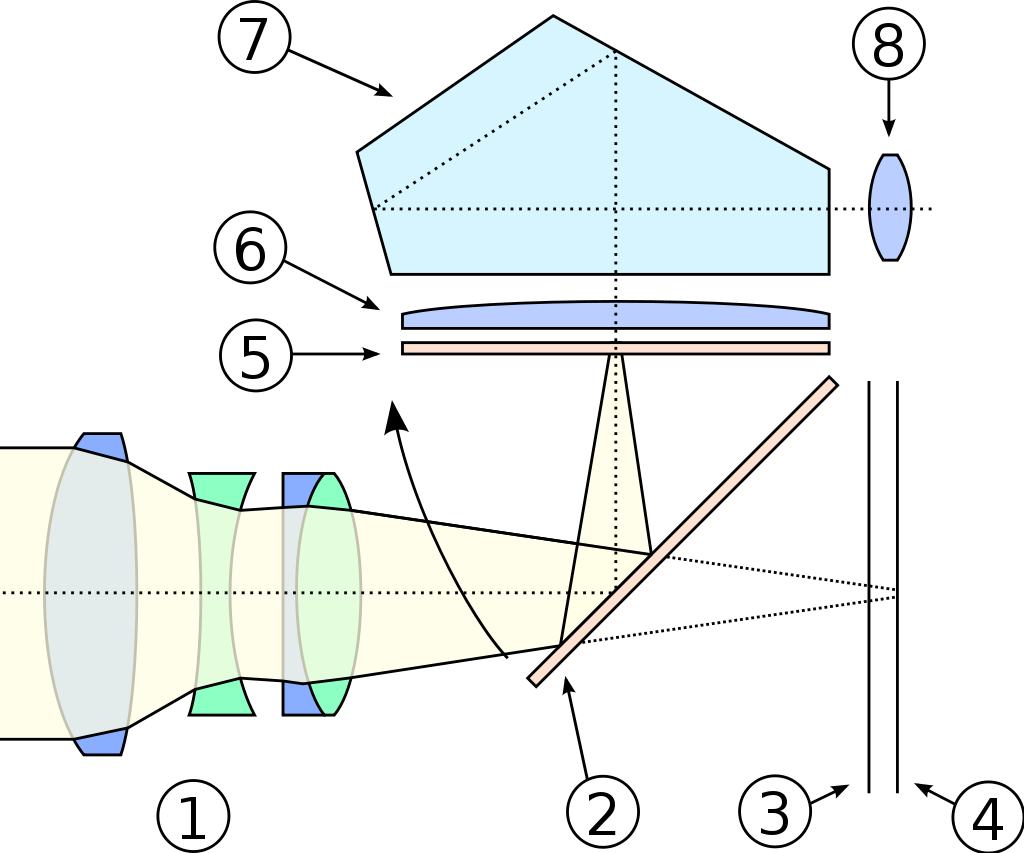
The Operating Principle of Early SLR Cameras
2. Technological Milestones
Over time, many new technologies and inventions were introduced, but it’s not enough for a single blog to cover the entire development of photographic science and technology. In general, from the glass plate coated with emulsion to the plastic film we use today, all of this owes its existence to George Eastman, who founded the Kodak Eastman brand we still rely on today. He invented photographic plastic film, which completely revolutionized the global photography industry. By 1888, he introduced the first compact camera, which could produce photos simply by pressing a button. He named it Kodak, with the “K” symbolizing the light sensitivity of the film.
By the 1900s, a simpler version of the Kodak camera was introduced—Kodak Brownie, marking a breakthrough in making photography more accessible for everyday activities and journalism.
3. The Golden Age of Film Photography
For nearly a century, science and technology, in general, developed rapidly, which led to daily improvements in film cameras and the colors they captured. Many famous camera brands were born and became legendary even today. Some of these include Germany’s Leica, which made the 35mm film the most popular format to date; Japan’s Nikon, with its Nikon F2 camera—nearly perfect and a major competitor to German camera brands; and Japan’s Fuji, known for its exceptional film products.

4. The Decline
With the Third Industrial Revolution, computers were widely introduced in the 1970s, bringing about a new wave in the world of photography. From this point, film manufacturers and camera makers had to race to see who could dominate digital technology first. Kodak, Sony, Nikon, and Canon began to develop early digital technologies, with new sensors that would soon completely change the world of photography.
By 1999, Nikon launched the first digital camera, the Nikon D1. In the years that followed, digital cameras exploded onto the global camera market. Digital cameras had major advantages like easy access to modern technologies such as autofocus, extremely fast shutter speeds for capturing moments, or long exposures lasting several minutes or more, along with LCD screens to adjust settings.
These innovations led to entirely new photography styles and genres. However, the breakthrough in digital camera technology marked the end of the golden era of film photography.
5. Has Everything Come to an End?
By now, you might think that film photography has lost its value. But just like “a fine bottle of wine,” the longer it’s stored, the better it becomes. It’s just waiting for the right moment to shine. Film may have slumbered in the hearts of those who love it, but like outdated film rolls, even after their expiration, the rarity and beauty of these films become more valuable, as long as the viewer knows how to fully appreciate their “flavor.”
Recently, the value of film photography has been rediscovered by young people. Some are drawn to the unique colors of film, which are difficult to replicate with phone editing apps. Others enjoy the aesthetic of the camera itself and the way it allows them to “slow down” and immerse themselves in the moments and the film shots they’ve captured. A larger group treasures the “old-fashioned” aspects of film, appreciating what has been passed down by previous generations. There are even those who turn to outdated black-and-white photography, using modern techniques and tastes to breathe new life into it, creating a completely different and more interesting look.
Why does film photography still endure? Because there are individuals who can see the beauty, the “truth – goodness – beauty” in film. The Saigon Film Photowalk is an example of making history more engaging by allowing participants to step into the shoes of someone living in the time period they are studying, all through the lens of a film camera, adding authenticity to their shots. Llab, one of the few film developing labs still operating in Saigon, plays a major role in preserving the film story in the digital age. Fox Spirit Film, particularly known for providing high-quality film from a wide range of brands, further contributes to maintaining this art form. Moreover, there are certain characteristics of film that can only be achieved through the chemical reactions between light and compounds, which create sharp images, securing its solid place in the current digital age.
6. Film Photography: Today vs. the Past
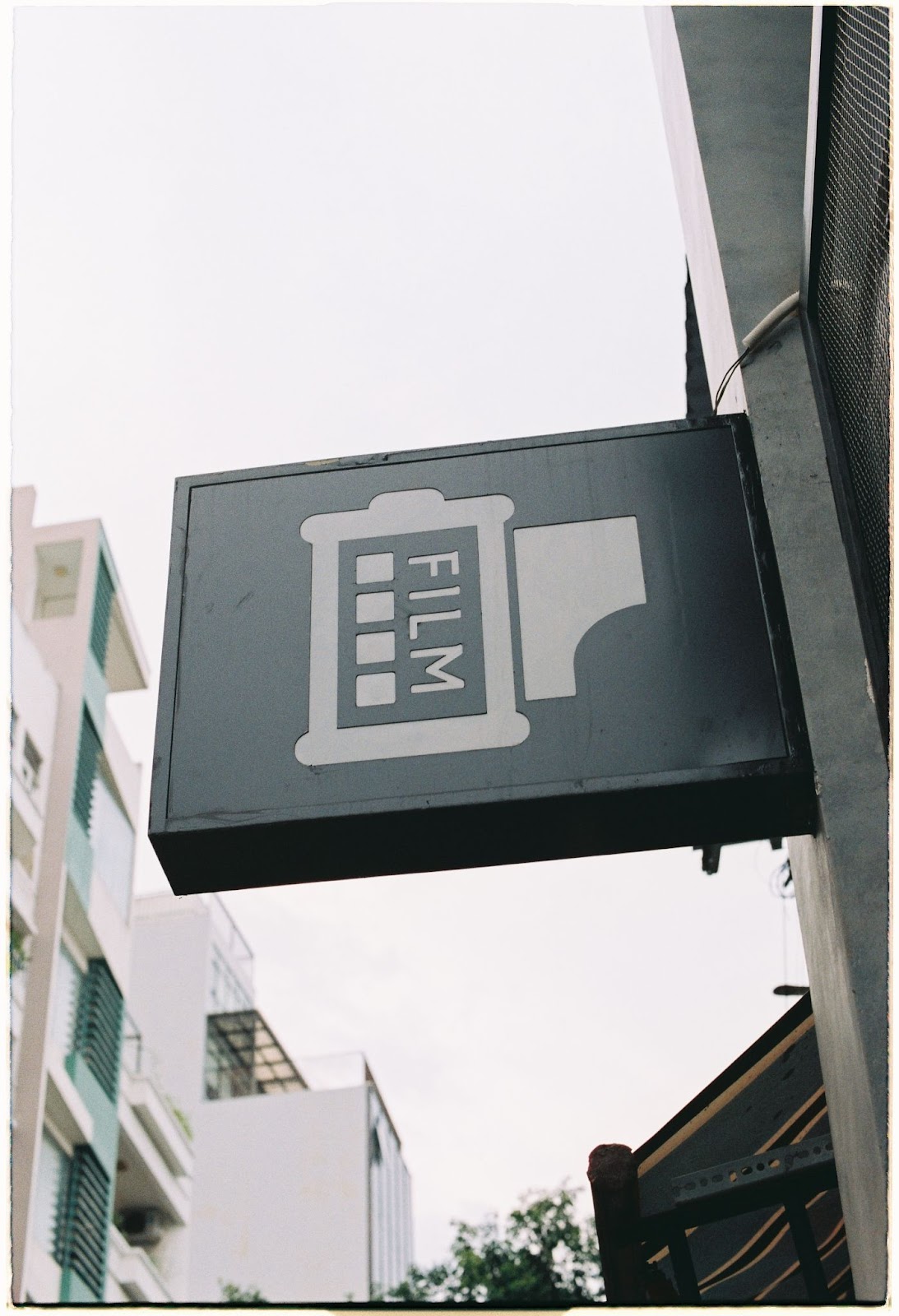
One great advantage of our creativity today is that smartphones can do so much and assist you in having easier experiences with film cameras. Light meter apps have been developed to help you achieve well-exposed film photos. In recent years, Kodak has also applied new technologies to make the images sharper, with finer grain, when developed into film. And this year, we have promising news with the release of new film lines from Lomography, like Lomo Color ‘92, and Harman Technology’s new film line, developed and produced by Harman itself, further energizing the film market. Plastic film is gradually becoming the new trend among young people, giving it a special place in the hearts of photography enthusiasts, especially those who love film photography.
Conclusion
Through the flow of history, we have witnessed over 100 years of development in photography, especially film photography, gaining a deeper understanding of both the challenges and advantages of “shooting film” in today’s digital age. Ultimately, digital cameras are just a tool, and so are film cameras. What truly matters is how the artist chooses the right tools and materials to create an artwork that embodies “truth – beauty – goodness.”
Practicing film photography certainly comes with risks, failures, and unforeseen difficulties due to the film quality, shooting techniques, and developing methods. But these challenges are what make it enjoyable—an exciting hobby that combines both play and learning. It’s a call for film enthusiasts to continuously learn and experience new knowledge, transforming each person’s story on film into something even more beautiful and full of “truth – beauty – goodness.”
—
Author: Khắc Phục
After hearing about the glorious history of film cameras, if you’re excited to get one, you can buy it here!
Each type of film camera carries its own unique stories, explore the history of the 127mm camera: Here