
If you’re wondering how to properly store your film, this article is just for you.
1. What is Camera Film?
Before diving into the proper storage methods, let’s briefly recall what camera film is. Think of camera film as a thin strip of plastic coated with a special chemical layer. When you insert the film into the camera and press the shutter, the camera’s shutter opens for a very brief moment. Light passes through the lens and exposes the chemical layer on the film, capturing your image. However, at this stage, the image is still latent. After finishing the roll of film, you need to take it to a film developing room. Here, chemicals will help reveal the latent images, turning them into negative photos. Simply put, film is like the “memory card” of old classic film cameras, preserving moments and emotions in a very unique way.
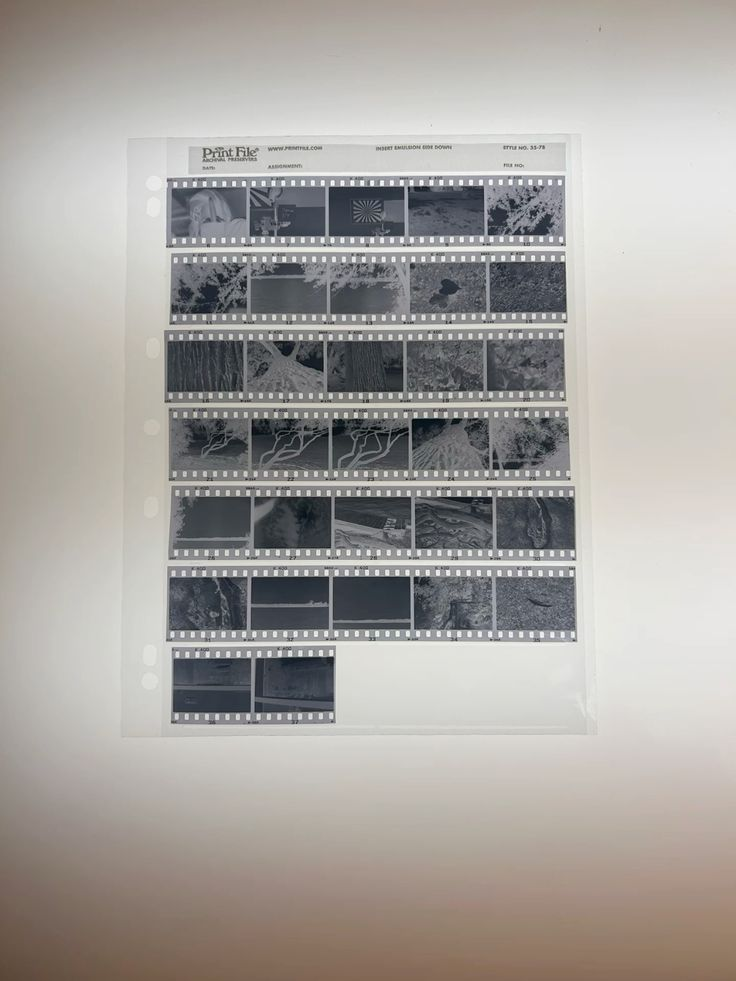
Image of a film strip. Photo: colorme.vn
To learn more about popular types of film cameras today, check out Fox’s previous article: Top 4 Film Cameras for Beginners.
2. Why is Proper Film Storage Important?
Camera film is very sensitive to environmental factors such as temperature, humidity, light, and radiation. If not stored properly, the film can be damaged, resulting in poor image quality, color distortion, foggy spots, or even total image loss.
Factors that affect film quality:
- Temperature: High temperatures can cause the film to warp and fade in color. On the other hand, extremely low temperatures can make the film brittle and prone to breakage.
- Humidity: High humidity is the ideal environment for mold growth, which can harm the film.
- Light: Direct exposure to light, especially sunlight, can burn the film, causing the images to be blurred or lose detail.
- Radiation: X-rays from security scanners at airports can affect the quality of the film, especially high-ISO films.
3. How to Store Film Before Shooting
Refrigeration: This is the method most photographers use for long-term storage, especially for high-ISO films. The low temperature in the fridge (13°C / 50°F or lower) helps keep the film’s colors fresh and significantly increases its lifespan.
Note:
Store the film in a sealed film container, then place it in a zip-lock bag or plastic box to prevent moisture.
When taking the film out of the fridge, let it acclimate to room temperature for at least 3 hours before using it to avoid condensation.
Storage in Film Containers: Film containers are designed to protect the film from dirt, light, and impact. Always keep the film in its container when not in use.
4. How to Store Film After Shooting and Developing Negatives
After shooting, the film must be carefully stored to prevent damage before it’s developed. You should rewind the film and place it in a film container immediately after shooting.
Negatives (after development) should also be properly stored to avoid scratches, dust accumulation, and fading. You should store the negatives in specialized storage bags or photo albums, away from light and humidity.
Some reminders: Avoid leaving the film in the camera for too long after shooting, and don’t cut or modify the film if you still intend to have it developed. As for the negatives, store them carefully if you wish to use them for enlarging photos.
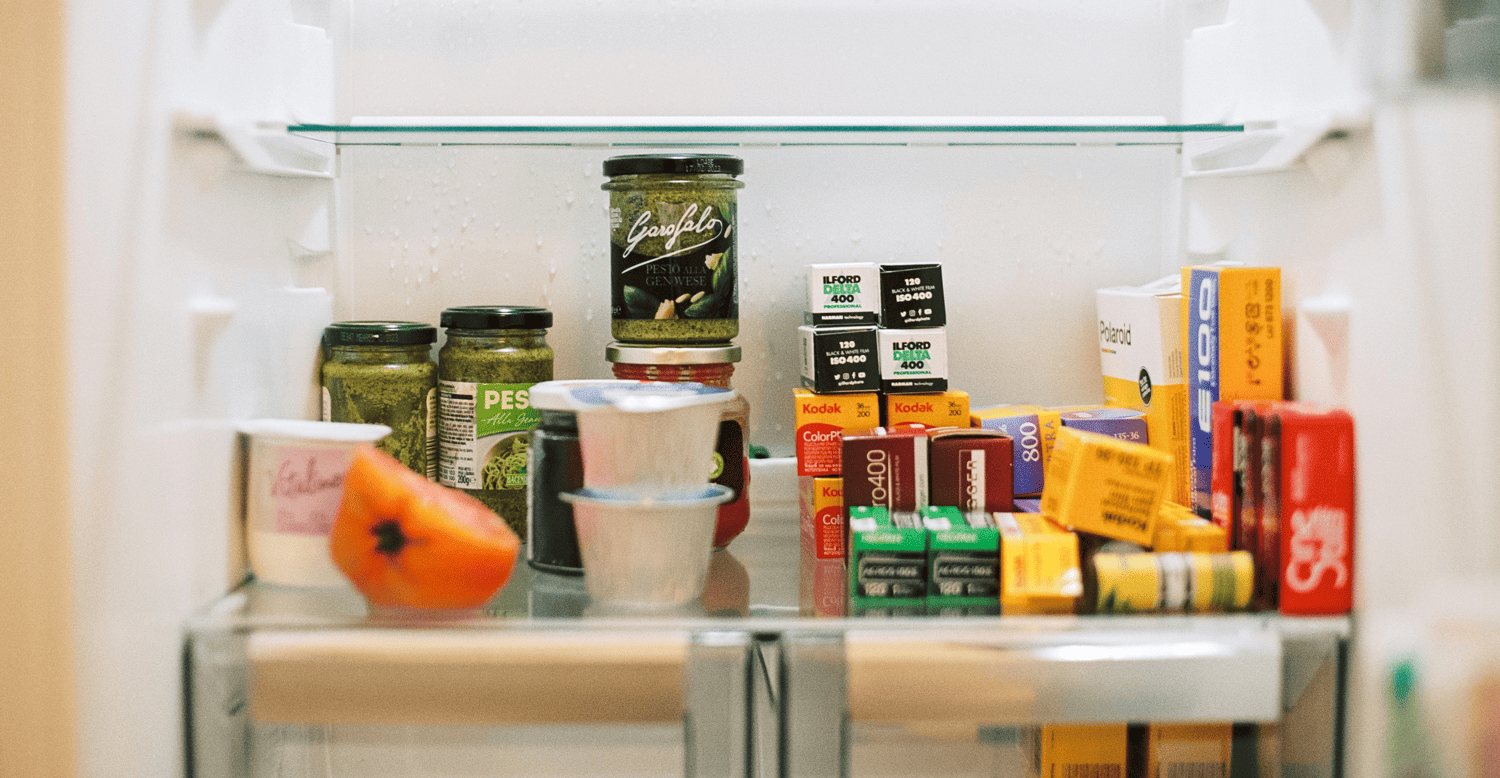
Film in the fridge (13°C / 50°F). Photo: colorme.
For a better understanding of the film development and printing process, check out Fox’s article: Three (03) minutes to understand film development for beginners.
5. Important Tips for Storing Film
Lastly, don’t forget these small yet essential tips to keep your film in the best condition:
- Always check the expiration date of the film before purchasing and using it.
- Label or note the film type and shooting date on the film container for easy management and tracking.
- Regularly clean the film container to prevent dust and mold from affecting the film quality.
We hope this article from Fox has provided useful information on how to store camera film properly. We wish you enjoyable experiences with film photography and hope you capture memorable moments in a truly vintage way!